Exploring the History of Analog Sound Systems
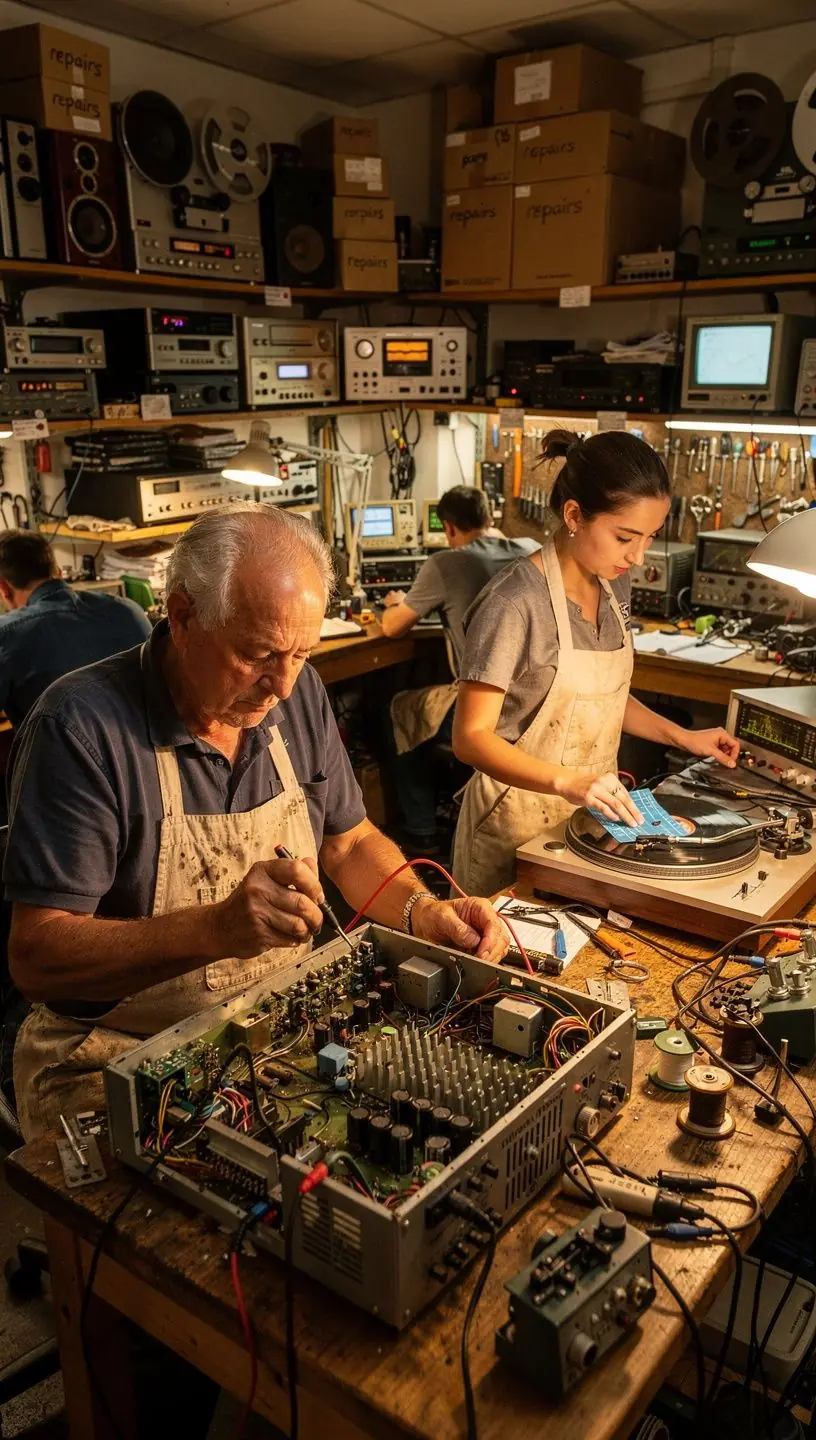
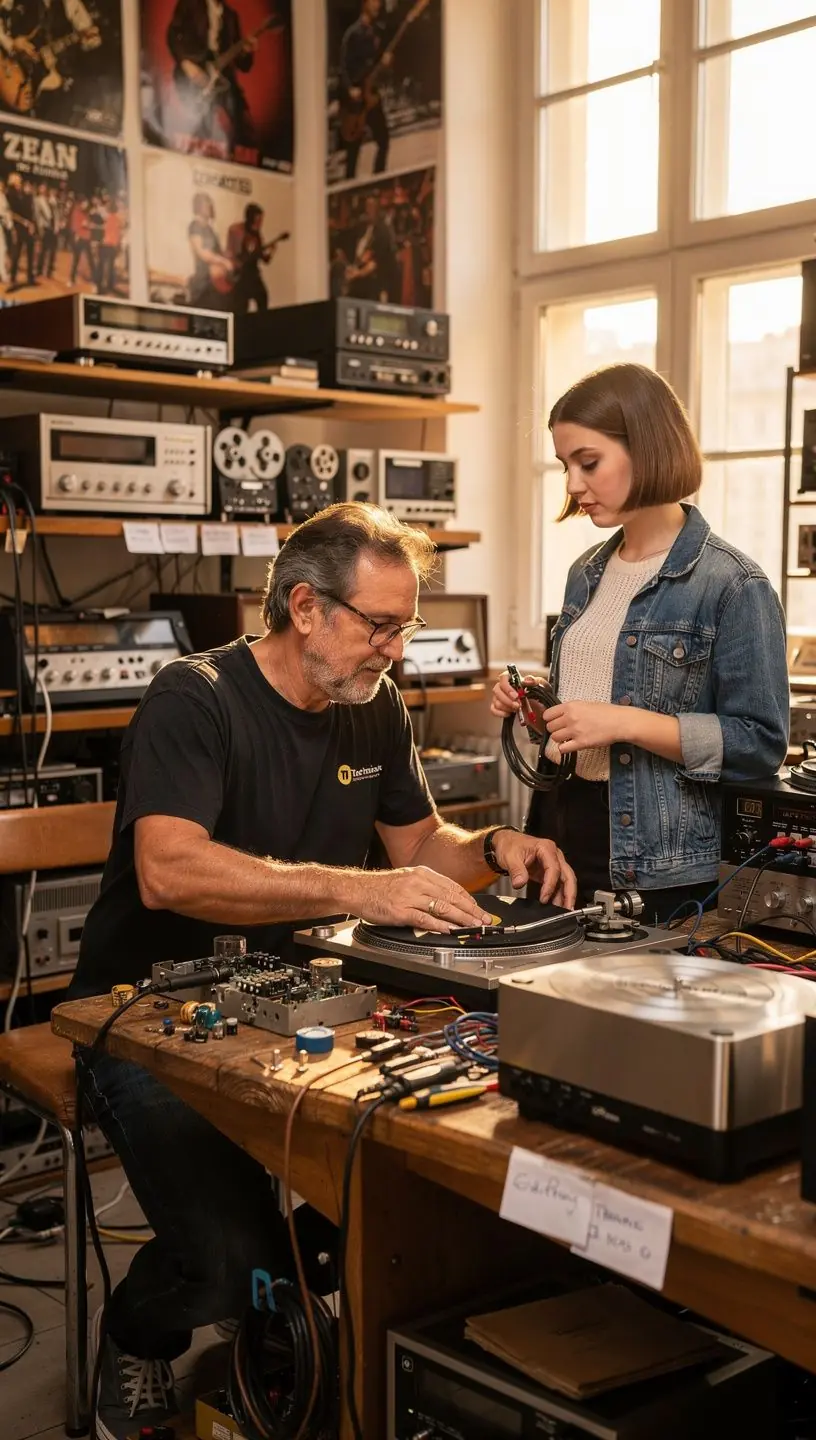
The rich history of analog sound systems offers fascinating insights into the evolution of audio technology. Understanding this history not only enhances appreciation for vinyl players, amplifiers, and other analog devices but also informs better maintenance practices.
Understanding the Basics of Analog Sound
Analog sound systems operate using continuous signals to represent sound waves, which is fundamentally different from digital systems that use discrete values. According to industry experts, this continuous nature allows for a more nuanced representation of audio, which many enthusiasts argue results in a warmer sound quality.
"The charm of analog systems lies in their ability to convey subtleties that digital formats may overlook." - Audio Expert Insight
The Evolution of Analog Sound Systems
The journey of analog sound systems began in the late 19th century with the invention of the phonograph by Thomas Edison. This pivotal moment marked the start of recorded sound. Over the decades, advancements in technology led to various formats of vinyl records and turntables, profoundly influencing music consumption. Research indicates that vinyl sales have seen a resurgence in recent years, demonstrating a renewed interest in analog sound.
Key Milestones in Analog Sound Technology
- Phonograph (1877): The first device to record and play back sound.
- Vinyl Records (1930s): Introduced as a more durable and higher quality alternative to shellac records.
- Hi-Fi Systems (1950s): Emergence of high-fidelity sound reproduction systems that provided a richer audio experience.
Importance of Maintenance in Analog Equipment
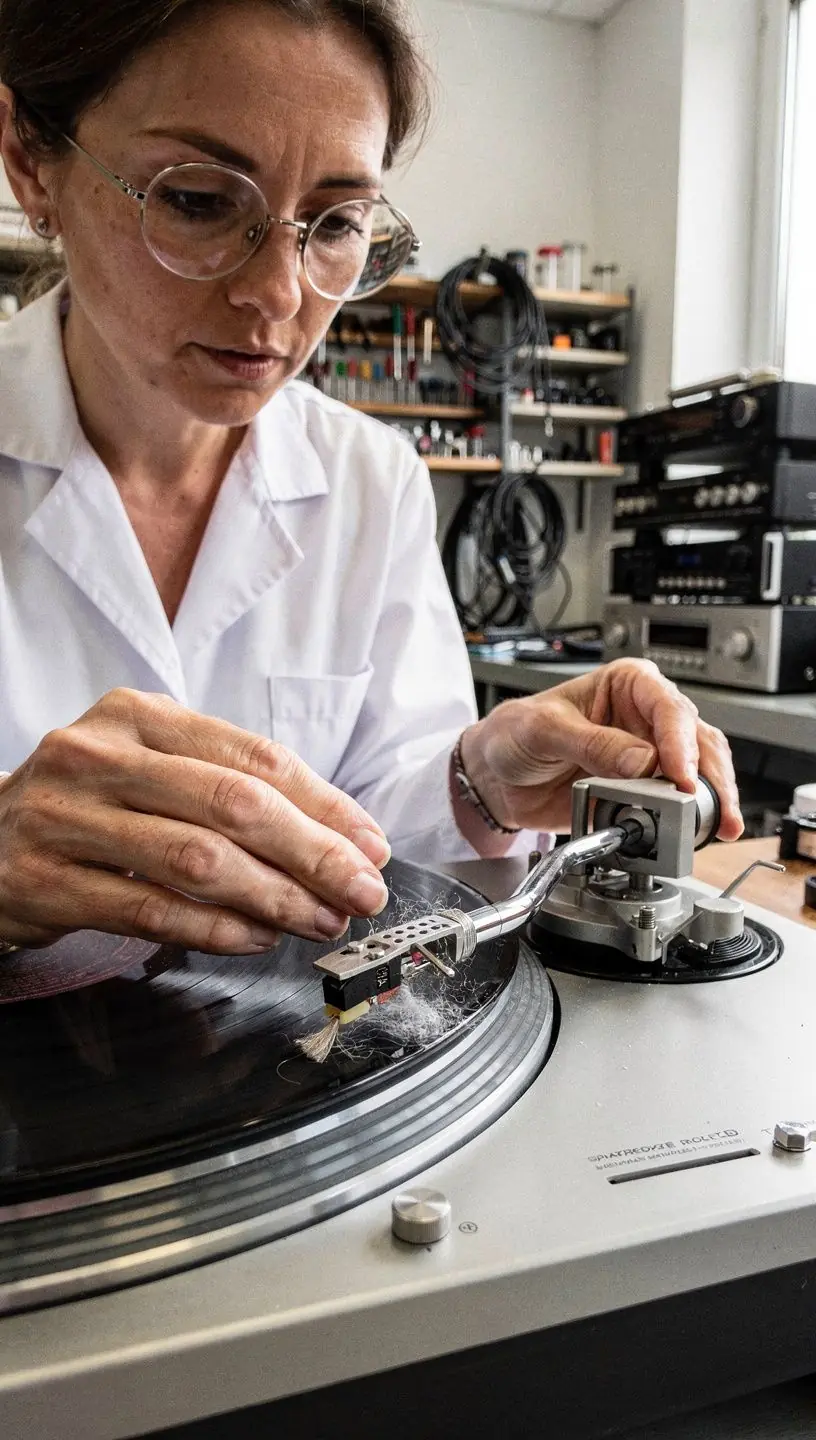
Proper maintenance of analog sound systems is crucial for preserving their quality and longevity. This often involves regular cleaning of components, calibration, and addressing wear and tear. Experts recommend a maintenance routine that includes:
- Regular cleaning of the stylus and records to prevent distortion.
- Checking and adjusting tracking force and anti-skate settings.
- Inspecting and replacing worn parts to ensure consistent performance.
These practices typically require time and a basic understanding of audio equipment components, but they can significantly improve the listening experience.
Conclusion
As we explore the history of analog sound systems, it becomes evident that these technologies have shaped how we experience music. While the maintenance of such systems may involve effort and dedication, the rich, authentic sound they produce often makes it worthwhile. For those interested in preserving the functionality of their analog equipment, understanding its history and the principles of sound engineering can provide invaluable insights.