Basic Soldering Techniques for Audio Repairs
Soldering is a crucial skill for anyone interested in maintaining and repairing audio equipment, particularly for vinyl players, amplifiers, and analog sound systems. This article will guide you through the essential soldering techniques needed for effective audio repairs, ensuring you can keep your equipment in optimal working condition.
Understanding the Basics of Soldering
Soldering is the process of joining electronic components together by melting solder around the connection. According to industry experts, proper soldering techniques are vital to creating reliable and long-lasting electrical connections. The principle behind soldering is to use heat to melt a filler metal (solder) that solidifies, creating a conductive path between components.
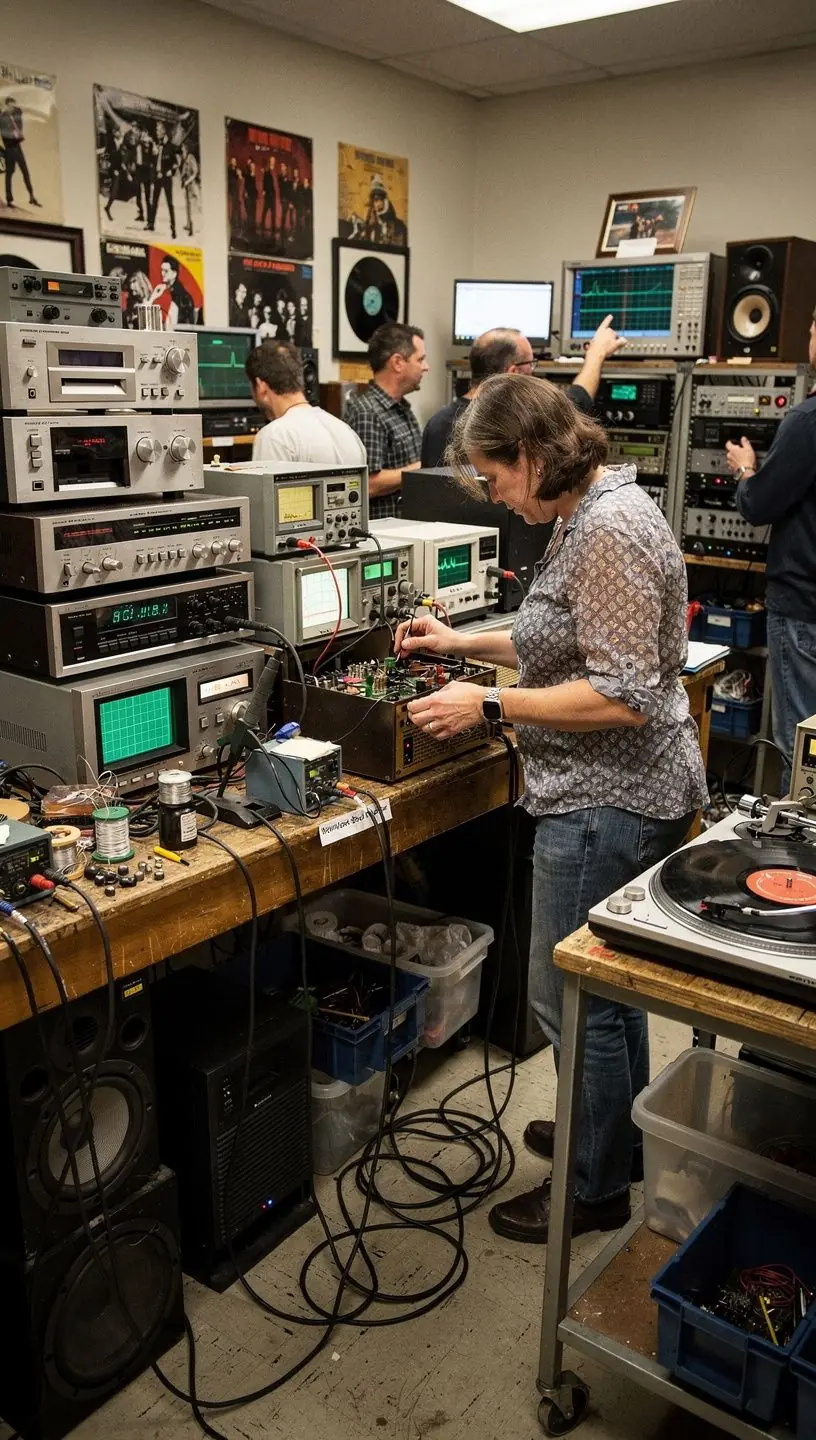
"Many audio repair professionals emphasize that mastering soldering can significantly enhance the reliability of your audio equipment."
Tools and Materials Needed
To get started with soldering, you will need a few essential tools:
- Soldering Iron: A quality soldering iron typically heats to between 350-400°C, suitable for most audio repairs.
- Solder: Use 60/40 tin-lead solder, which is commonly recommended for electronics due to its lower melting point and excellent electrical conductivity.
- Soldering Iron Stand: A stand keeps the hot soldering iron safely in place when not in use.
- Wire Cutters: Essential for trimming excess wire after soldering.
- Safety Glasses: Protect your eyes from any potential solder splashes.
Basic Soldering Techniques
Here are some fundamental soldering techniques to consider:
- Preparation: Begin by ensuring all components and wires are clean and free from oxidation. This typically involves using a small amount of isopropyl alcohol and a brush.
- Heating the Iron: Preheat your soldering iron and ensure it’s at the correct temperature before starting. This is important because insufficient heat can lead to cold solder joints.
- Applying Solder: Touch the solder to the joint, not the iron. This technique allows the heat from the joint to melt the solder for a more reliable connection.
- Cooling: Allow the solder to cool naturally without movement, which can affect the integrity of the joint.
Acknowledging Limitations
While soldering is an essential skill, it does involve a learning curve. Many beginners report that it takes several practice sessions to achieve satisfactory results. Typically, users can expect to see improvement after about 10-15 hours of practice. Soldering may not be ideal for intricate repairs without prior knowledge or experience, and beginners are encouraged to start with simple tasks to build confidence.
Conclusion
In summary, mastering basic soldering techniques is an effective way to enhance your audio repair skills. By understanding the principles behind soldering and practicing the outlined techniques, you can ensure your vinyl players, amplifiers, and analog sound systems remain in great working condition. Remember to use quality tools and take your time as you develop this valuable skill.
Learn More