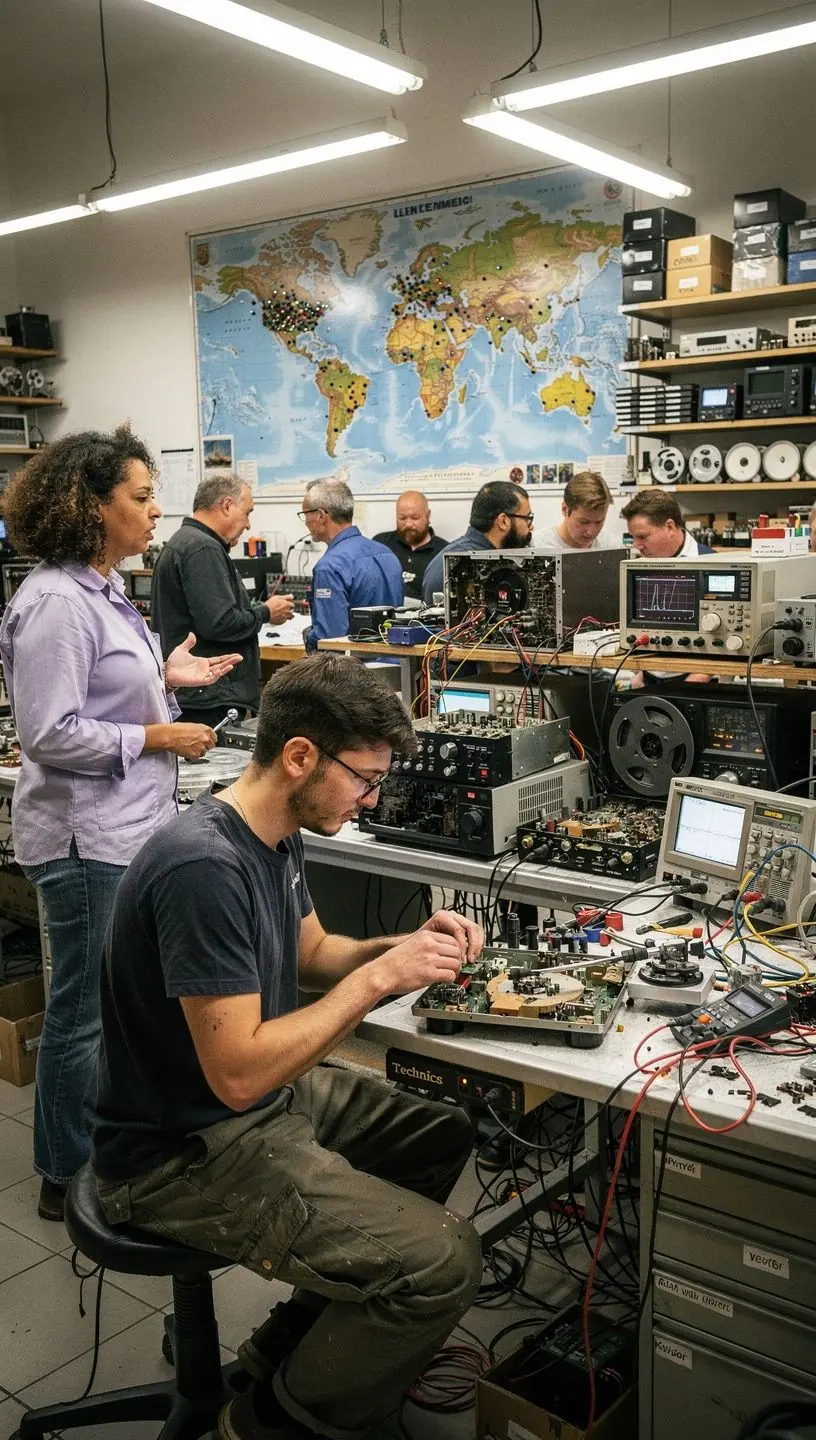
Exploring Common Problems with Turntables
Turntables are a cherished component of many audio systems, particularly for enthusiasts of analog sound. However, they can often encounter various issues that hinder their performance. In this article, we will explore common problems faced by turntable users, providing insights into their causes and possible solutions.
Understanding the Basics of Turntable Functionality
Turntables operate by transforming the mechanical energy from a spinning vinyl record into electrical signals, which are then amplified to produce sound. Common issues can arise from several components, including the needle, the belt, and the motor. Understanding how these parts function can help diagnose problems.

"Many users report that regular maintenance can significantly extend the lifespan of their turntables."
Common Turntable Issues
Here are some of the typical problems you might encounter with your turntable:
- Skips and Jumps: This often occurs when the needle (or stylus) is worn out or dirty. According to industry experts, replacing the stylus every 1000 hours of play is recommended to maintain sound quality.
- Speed Issues: If your records are playing too fast or too slow, it may indicate a problem with the motor or belt. In most cases, a worn belt can be replaced, which typically restores proper functionality.
- Excessive Vibration: This can lead to distortion in sound. Proper isolation of the turntable from external vibrations is crucial. Many users suggest using a dedicated turntable stand to minimize interference.
- Sound Quality Deterioration: If you notice a decline in audio quality, it may be due to issues like alignment or tracking force settings. Experts recommend periodically checking alignment using a protractor for optimal performance.
Diagnosing and Solving Problems
When diagnosing issues with your turntable, consider the following steps:
- Visual Inspection: Start by examining the turntable for any visible damage or wear. Check the stylus and the belt for signs of aging.
- Cleaning: Regular cleaning of the stylus and records can prevent playback issues. Use a soft brush to clean the stylus and a suitable cleaning solution for records.
- Adjustment: Ensure that the tracking force is set according to the manufacturer’s specifications. This adjustment helps in avoiding unnecessary wear on the vinyl.
- Professional Help: If issues persist, it may be beneficial to consult a professional repair technician. Many repair labs specialize in analog systems and can provide expert diagnostics.
Conclusion
Turntables can provide an immersive listening experience, but they require regular maintenance and occasional repairs to function optimally. By understanding common issues and their solutions, users can enjoy the rich sound quality that vinyl records offer. Remember, proactive care is essential—many turntable problems can be avoided with proper maintenance practices.
Learn More