A Guide to Troubleshooting Vintage Amplifiers
Vintage amplifiers are cherished for their warm sound and unique character. However, they can often present challenges due to age and wear. This guide aims to provide practical insights for troubleshooting common issues, helping you restore your amplifier to its former glory.
Understanding the Basics
Vintage amplifiers, particularly tube models, operate on principles that differ from modern digital equipment. According to industry experts, understanding these principles is essential for effective troubleshooting. Many users report that familiarizing yourself with basic electronics concepts can significantly improve your ability to diagnose issues.

"Knowledge of how each component functions is key to successful repairs and maintenance."
Common Issues and Their Causes
Here are some typical problems encountered with vintage amplifiers, along with possible causes:
- No sound: This can often be attributed to a blown fuse or faulty tubes. Inspecting these components is a crucial first step.
- Distorted sound: Distortion may be caused by aging capacitors or dirty potentiometers. Cleaning contacts can sometimes resolve this issue.
- Overheating: Overheating may occur due to improper ventilation or failing components, which can lead to further damage if not addressed promptly.
Step-by-Step Troubleshooting Process
To effectively troubleshoot your amplifier, follow these steps:
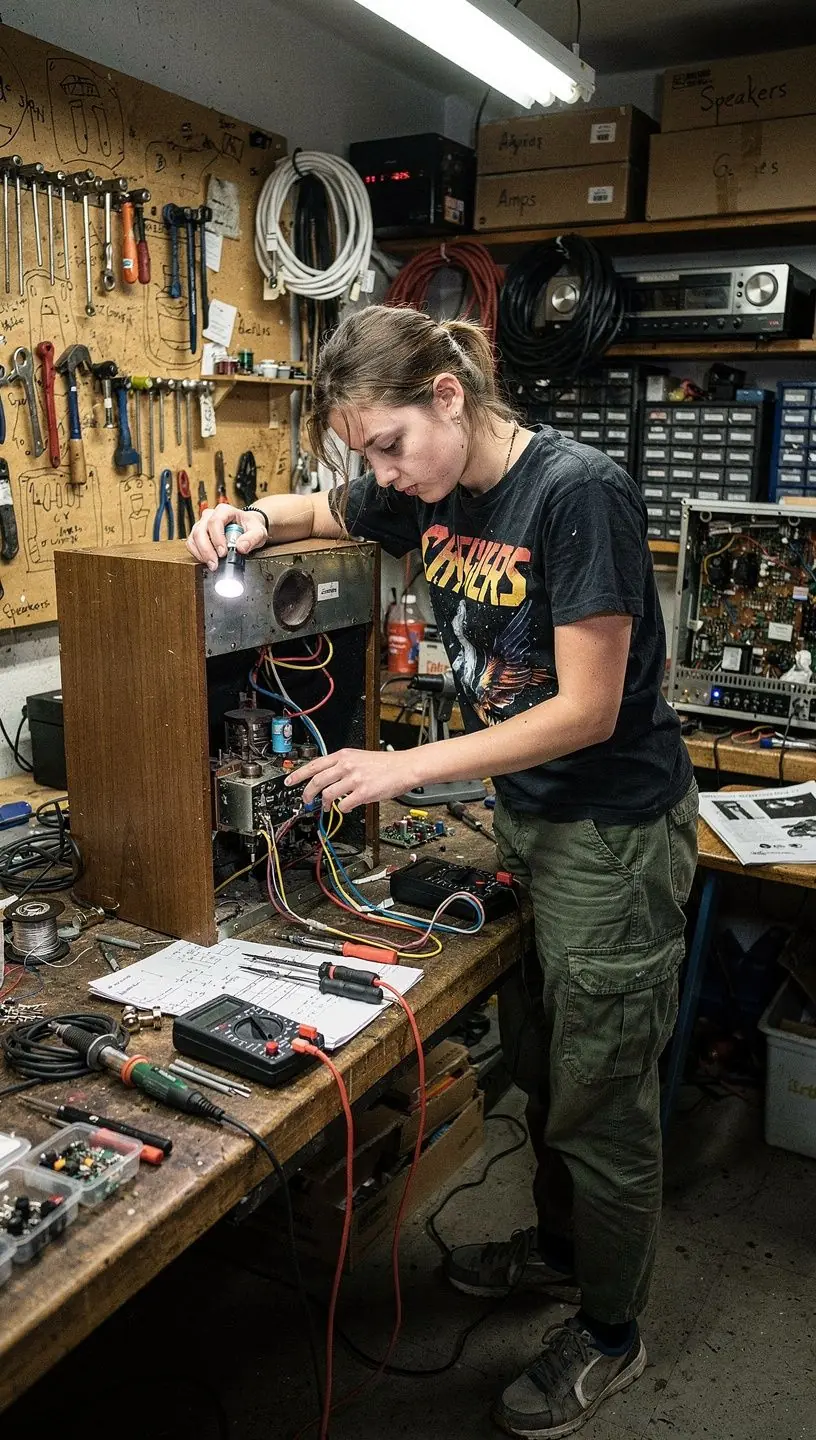
- Visual Inspection: Start with a thorough visual inspection. Look for burnt components, cracked solder joints, or any obvious signs of damage.
- Testing Components: Use a multimeter to test key components such as resistors, capacitors, and tubes. This helps to identify malfunctioning parts.
- Listening Tests: After making any repairs, conduct listening tests at various volume levels. Many users find that subtle issues can be revealed through careful listening.
When to Seek Professional Help
While many issues can be resolved at home, some repairs may require professional expertise. If you encounter problems that involve circuit board repairs or complicated component replacements, seeking help from a qualified technician is advisable. This is particularly true for vintage models, as improper handling can lead to irreversible damage.
Conclusion
In conclusion, troubleshooting vintage amplifiers requires a combination of patience, knowledge, and practical skills. By understanding common issues and following a methodical approach, you can often restore your amplifier to full functionality. Remember that while DIY repairs are rewarding, acknowledging your limits and knowing when to consult a professional can save time and preserve your equipment.