How to Identify Speaker Damage and Repair It
Understanding how to identify and repair speaker damage is essential for maintaining optimal audio quality in your sound system. This guide will provide practical insights and methods for diagnosing issues and potential repair solutions.
Recognizing Signs of Speaker Damage
Speakers are complex components of audio systems, and damage can manifest in various ways. Common indicators of speaker damage include:
- Distorted Sound: Many users report a noticeable distortion in audio output, particularly at higher volumes. This is often a sign of damaged speaker cones or voice coils.
- Buzzing or Rattling Sounds: If you hear unexpected noises while playing music, it may indicate loose components within the speaker.
- Reduced Volume: A drop in sound level, even at maximum settings, can suggest issues with the speaker driver or circuit.
"Experts recommend performing regular checks on your audio equipment to catch potential issues before they escalate."
Diagnosing the Problem
Once you’ve identified signs of damage, the next step involves diagnosing the specific issues. Here’s how to proceed:
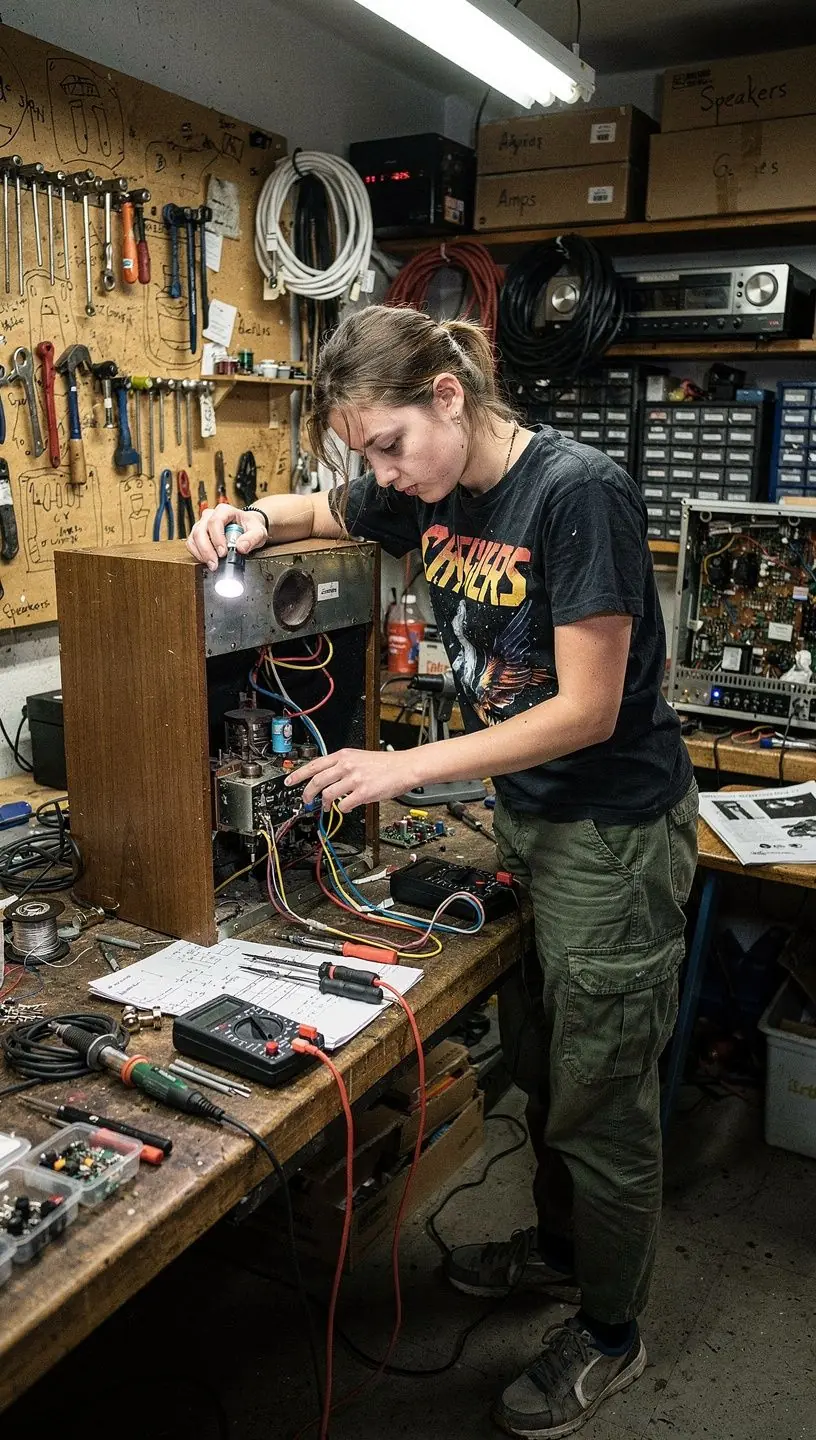
- Visual Inspection: Carefully examine the speaker for any visible damage, such as tears in the cone or corrosion on the terminals. This initial step can often reveal straightforward problems.
- Test with Different Sources: Connect the speaker to another audio source to determine if the issue persists. If the problem disappears, it may not be the speaker causing the issue.
- Check Connections: Ensure all cables and connections are secure. Loose or damaged wires can lead to performance issues that mimic speaker damage.
Repairing Speaker Damage
If you’ve confirmed that your speaker is indeed damaged, there are several methods you can consider for repair:
- Recone the Speaker: This process involves replacing the speaker cone and suspension components. It typically requires a professional service, as it involves precise work.
- Replace Components: In many cases, replacing specific parts, such as the driver or voice coil, can restore functionality. This approach often proves effective and cost-efficient.
- DIY Repairs: For minor damages, such as small tears, you can use adhesive specifically designed for speaker repair. However, this approach requires careful application and a solid understanding of the speaker structure.
Conclusion
Identifying and repairing speaker damage is a crucial skill for audiophiles and casual listeners alike. By recognizing the signs of damage and employing systematic diagnostic methods, you can effectively address issues to maintain your audio system's performance. Remember that certain repairs may require professional assistance, especially for complex issues. Providing your speakers with regular maintenance can enhance their longevity and audio quality.