How to Diagnose Amplifier Sound Issues
Diagnosing sound issues with your amplifier can be challenging, but understanding the common problems and their solutions can significantly enhance your listening experience. This guide will provide you with actionable insights to help identify issues and suggest methods for resolution.
Understanding Amplifier Functionality
Amplifiers are crucial components in audio systems, designed to boost audio signals so that they can drive speakers. Understanding how an amplifier works can help you diagnose sound issues effectively. Typically, amplifiers amplify weak audio signals from sources such as a turntable or CD player and send them to the speakers, improving the sound quality in the process. According to experts, many issues arise from connection problems, speaker incompatibility, or internal faults.

"Regular maintenance and understanding of your amplifier can prevent many common sound issues and enhance performance." – Audio Engineering Society
Common Symptoms of Amplifier Issues
When diagnosing sound issues, look out for these common symptoms:
- Distorted Sound: Often indicates a problem with the amplifier or speakers.
- Lack of Volume: This may suggest a connection issue or that the amplifier is underpowered for your speakers.
- Buzzing or Hissing: Typically caused by grounding issues or interference.
- Heat Generation: Excessive heat can signal that the amplifier is working too hard, possibly due to speaker mismatch.
Step-by-Step Diagnosis
To effectively diagnose amplifier sound issues, follow these steps:
- Check Connections: Ensure all cables and connections are secure. Loose connections can often lead to sound problems.
- Test Different Sources: Switch between audio sources to identify if the problem lies with the amplifier or the source component.
- Inspect Speakers: Verify that the speakers are compatible with the amplifier and check for any visible damage or disconnections.
- Evaluate Settings: Check the amplifier's settings and controls; ensure they are optimized for your speakers and preferences.
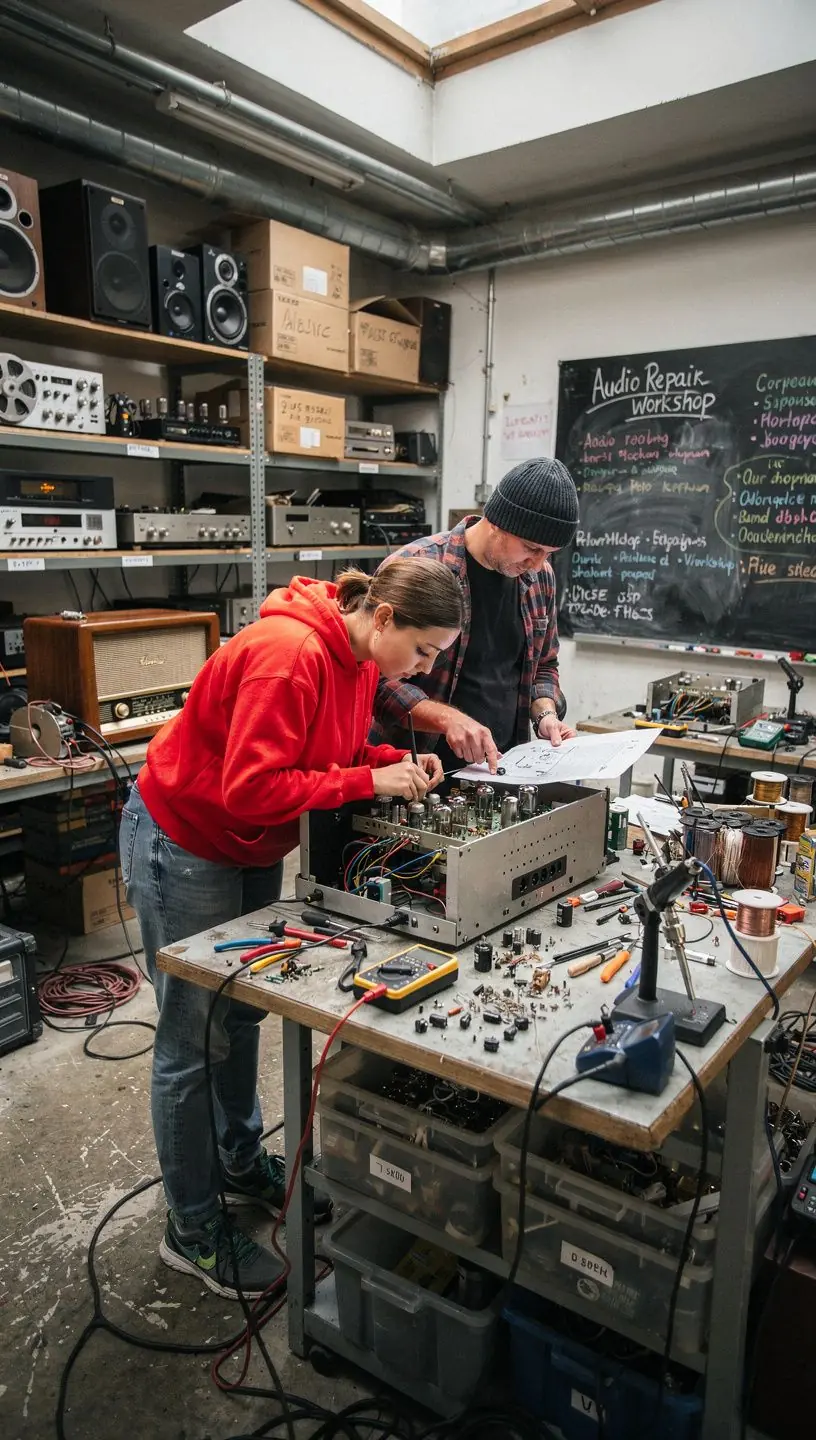
- Seek Professional Help: If issues persist after following these steps, it may be time to consult with an audio technician for a thorough inspection.
When to Seek Professional Assistance
While many amplifier issues can be diagnosed with straightforward troubleshooting, some problems may require expert intervention. Typically, if you notice recurring issues or if the amplifier overheats frequently, it may be time to take your unit to a repair lab. Experts recommend that users familiarize themselves with basic troubleshooting techniques, as this knowledge can help identify simple fixes before involving professionals.
Conclusion
Understanding how to diagnose sound issues in your amplifier can enhance your overall audio experience. While not all problems can be resolved without professional help, many common issues can be addressed through careful inspection and testing. Regular maintenance and attention to connections will typically lead to better sound performance and longevity for your audio equipment. For more complex problems, consider consulting with a qualified technician who specializes in audio equipment repair.
Learn More